


Adhering to financial reporting requirements helps in maintaining investor confidence and securing financing for future projects. Real estate companies must follow Generally Accepted Accounting Principles (GAAP) or International Financial Reporting Standards real estate bookkeeping (IFRS), depending on their jurisdiction. These standards ensure consistency and comparability of financial information across the industry. Between deductions, capital gains taxes, self-employment taxes, and more, there’s a lot to navigate. Misunderstanding or overlooking these issues can result in overpaying taxes or even legal trouble with the IRS. Whether it’s an invoice for a repair or a receipt for a business-related travel expense, keeping comprehensive records is crucial.
What Are the Differences Between Accounting and Bookkeeping in Real Estate?
ROI is calculated by dividing the net profit from a real estate investment by the initial cost of the investment, expressed as a percentage. GAAP and IFRS differ in their approaches to revenue recognition, lease accounting, and property valuation, among other aspects. Chris serves on the Agent Advice Editorial Board and is the Chief Real Estate Officer at OJO Labs.
Accounting vs. Bookkeeping for Real Estate Agents

Save time with automated accounting—ideal for individuals and small businesses. Today’s leading accounting platforms offer standard security features, such as data encryption, secure credential tokenization and more. While human error will Catch Up Bookkeeping always play some role in security breaches, you can be confident in your accounting platform when it comes to keeping your information safe. Look at each plan offered by a considered software and select the one that will most likely meet your needs, particularly in terms of the number of users and breadth of features.
- The company offers assistance with quarterly tax preparation and filings, applying for loans, bookkeeping and even bookkeeping catch-up services.
- Lost or misfiled documentation can become a significant issue during tax season or audits.
- Bookkeeping involves recording and organizing your business’s financial transactions, such as sales, purchases, and payroll.
- This appreciation can be used as a down payment for another rental property.
- Real estate agents can also benefit from accounting and bookkeeping features that cater to the specific needs of the real estate industry.
Dependable REA Real Estate Bookkeeping Services
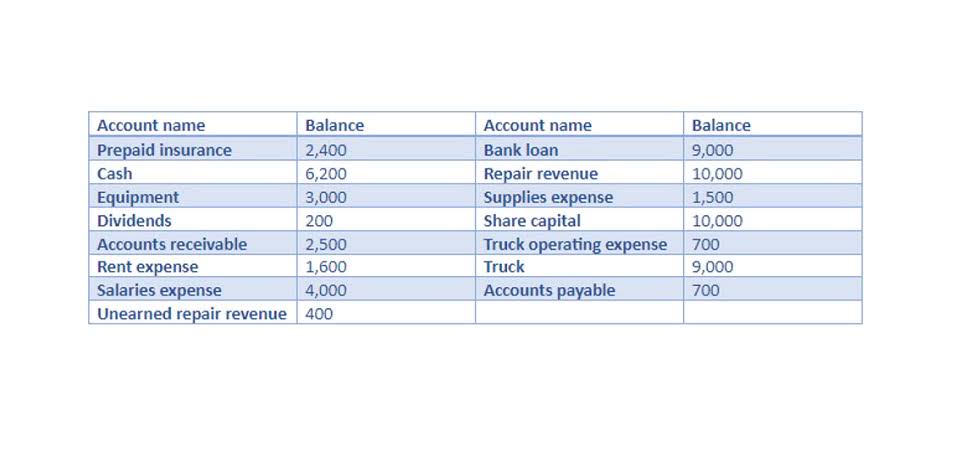
Accounting helps you understand the bigger picture of your real estate business. Lastly, many real estate investors, especially those new to the industry, believe they can handle all bookkeeping tasks independently. While it’s possible, the complexities of real estate accounting often mean that without professional guidance, costly mistakes can arise. Hiring an expert or consultant, even periodically, can be a wise investment. trial balance Whether it’s tracking the repayment of a business loan or ensuring that credit card accounts are settled on time, bookkeeping provides a clear picture of all outstanding liabilities.

Finding ways to simplify your bookkeeping for real estate can help save time and minimize mistakes. For example, automating tasks like sorting your expenses, creating invoices, and getting reminders for tax filing can make the process smoother. Many accounting tools offer features that can help with this, so it’s worth looking into those options to make those repetitive tasks easier. Promptly recording transactions ensures that agents have up-to-date financial information for budgeting, tax planning, and decision-making purposes. The 1031 exchange, also known as a like-kind exchange, allows real estate investors to defer capital gains taxes on the sale of investment properties by reinvesting the proceeds into similar properties.
Work with Your Accountant

As a real estate agent or team leader, you juggle many responsibilities—though being a financial expert might not be among them. Yet, grasping the basics of bookkeeping is key to making informed decisions, staying compliant with tax laws, and ultimately, growing your business. FreshBooks is an accounting software with a user-friendly app and built-in tools to easily track, upload, and organize all of your expenses.