

Simplify operations, reduce overheads, and scale for growth on the cloud with SOC 2 Type 2 compliant SaaS solution. Seamless upgrades are delivered to the platform at no additional cost with zero downtime—giving you the latest version, always. Compliance with debt covenants, such as maintaining https://www.bookstime.com/ specific leverage or interest coverage ratios, is critical to preserving access to capital. Companies must monitor these metrics closely and take proactive measures to address potential covenant breaches. The Modified Accelerated Cost Recovery System (MACRS) under U.S. tax laws enables accelerated write-offs, enhancing cash flow in the early years of an asset’s life. Features include budgeting functionality, helping your team track project costs effectively.

Flexible and Robust Financial Reporting with Data Hub
- Taxation and compliance play crucial roles in oil and gas accounting, as these industries face unique financial reporting requirements due to the nature of their operations.
- These methods help in accurately reflecting the financial health and operational efficiency of companies within the industry.
- Oil and gas accounting is fundamental to the industry’s efficient operation, regulatory compliance, and strategic decision-making.
- Depletion specifically pertains to the allocation of the cost of natural resources, such as oil and gas reserves, over their productive life.
- Regular audits help identify areas for improvement and ensure adherence to industry standards.
- Accurate allocation of expenses and revenues is essential, as minor errors can spark disputes and financial misstatements.
- Companies that invest in cloud-based accounting systems and data analytics tools gain a competitive edge.
I have come to thoroughly enjoy plant accounting and working in the oil & gas industry. It can be complex, but understanding the flow of the gas for each plant is essential for producing accurate and efficient results. I also enjoy working with our clients to ensure that the results match their expectations. No client is quite like the last and it keeps my day-to-day interesting and I look forward to each new challenge. In long-term supply contracts, revenue recognition is often based on the delivery of set quantities over a specified period.

Oil and Gas Accounting
Explore essential principles and practices in oil and gas accounting, from revenue recognition to asset impairment and taxation. Establishing robust internal controls is essential for preventing fraud and financial mismanagement within oil and gas companies. Accountants develop and implement control procedures to safeguard assets and maintain financial integrity. Regular audits help identify areas for improvement and ensure adherence to industry standards.
Withstand Legal Challenges
Using outdated oil and gas accounting software can be a significant challenge for any CFO. Legacy systems often lack the ability Financial Forecasting For Startups to handle complex revenue streams, joint interest billing, and regulatory compliance unique to the oil and gas industry. This leads to inefficiencies, inaccurate reporting, and wasted time spent on manual processes. Depreciation and amortization, on the other hand, apply to tangible and intangible assets, respectively.
- Accurate gas plant accounting starts with a solid understanding of the process – from wellhead to plant tailgate.
- The classification of reserves into proved, probable, and possible categories is a crucial step in this process.
- Rigorous internal controls mitigate risks, and real-time reporting capabilities enable faster, more informed decision-making in this dynamic industry.
- This principle emphasizes the need to keep personal and business transactions separate.
- Upstream and midstream operations often involve joint ventures and production sharing agreements (PSAs), where accounting for shared resources and splitting revenues and expenses can be complex.
- These complexities necessitate robust internal controls and regular audits to ensure compliance and accuracy.

This enables staff to be more efficient and allows for the faster exchange of data and information between departments. If you’re interested in joining the oil and gas accounting field, then our oil and gas CPE courses for accountants are the perfect introduction. Our skilled and knowledgeable experts offer classes that are up-to-date, focused, and practical. We make it easy for you to learn more about the oil and gas field so you can expand your job horizons and learn about new employment opportunities.
- Collaborative cost management is another strategy, where companies work closely with suppliers and partners to achieve mutual cost reductions.
- He received his undergraduate degree at the Ivey Business School in Canada and MBA from Oxford University.
- By leveraging financial data, companies can make informed decisions regarding resource allocation and investment strategies.
- Generic accounting programs often fall short in handling joint venture operations, complex revenue recognition, and reserve reporting.
- One key challenge in revenue recognition for oil and gas companies is the timing of revenue recognition.
- As we scale we need tools that are built to scale with us – we need to see expenses real time, we need to see duplicate spend.
Production Costs
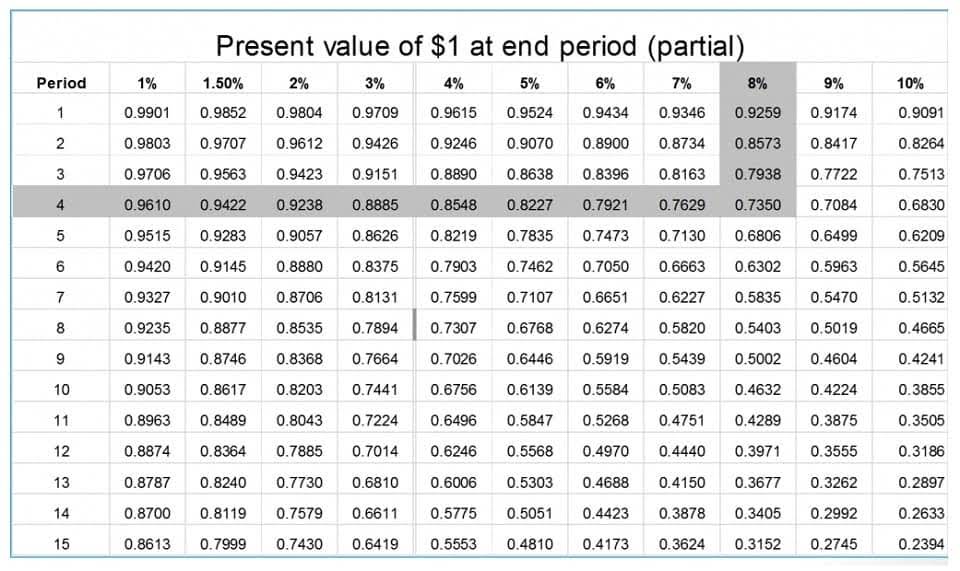
Companies must assess the economic viability of a target’s reserves, considering commodity prices, production costs, and regulatory factors. Discounted cash flow (DCF) models are commonly used, with assumptions about future prices and discount rates playing a gas accounting critical role. One of the unique aspects of PSCs is the concept of “cost recovery.” The contractor is allowed to recoup its exploration and development expenditures from a portion of the produced oil or gas. This mechanism ensures that the contractor can recover its investment before sharing profits with the state. However, there are often limits on the amount of production that can be allocated to cost recovery in any given period, which can impact the contractor’s cash flow and financial planning.